Autumn Home Maintenance Checklist: Getting Your Property Ready for a British Winter
Autumn in Britain is generous for a while. Soft light, still evenings, the garden still pretending it has plans. Then the clocks go back and the weather remembers what it is capable of. The jobs that keep a house dry and warm through to March are far easier now, in daylight, with dry hands, than in January at seven in the morning with a torch clamped between your teeth.
Most of them need no special skill and very little kit. Here is what is worth doing, roughly in the order that saves you the most trouble.
Gutters, roof and anything above head height
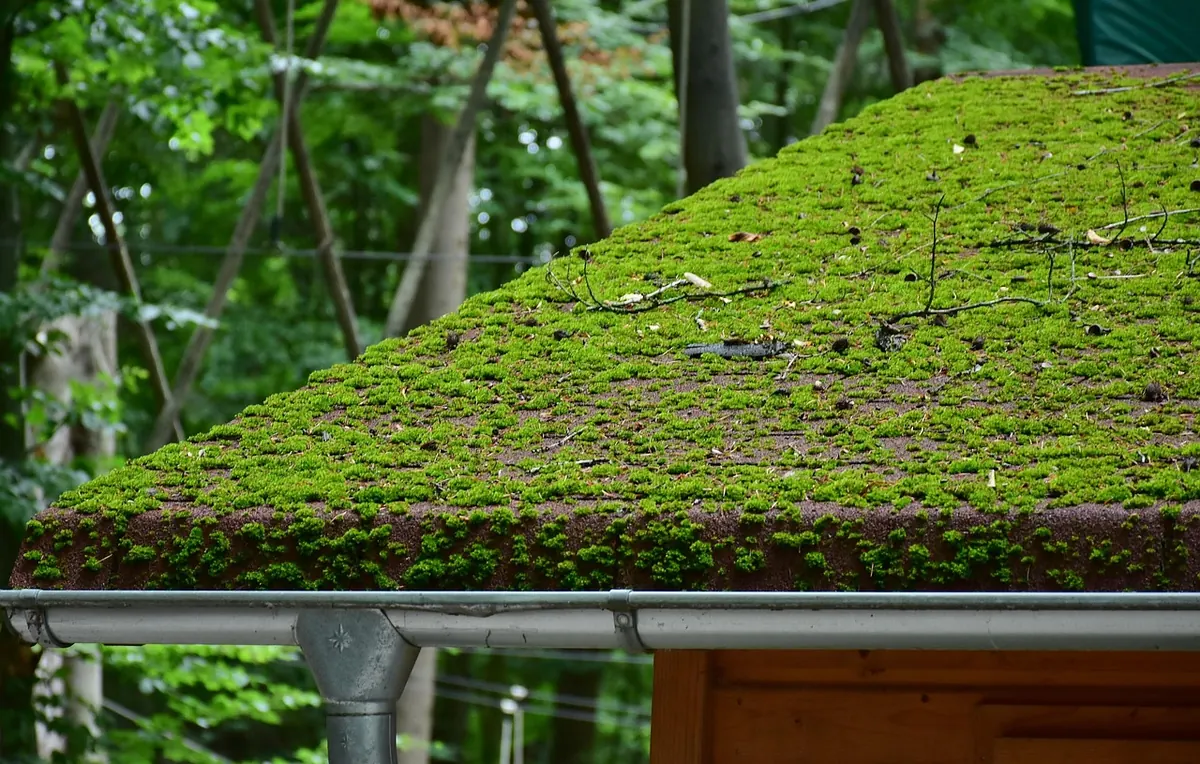
Water does the damage. A gutter quietly filling with moss and leaves since spring will not announce itself until a Saturday-night downpour sends it down the wall and through the bedroom ceiling. Deal with it while the weather is on your side.
Clearing the gutters
- Work from a ladder on firm, level ground, ideally with someone footing it. Never lean the ladder against the gutter itself; rest it on the wall.
- Wear gloves and use a scoop or small trowel, with a bucket hooked over a rung. Rinse with a hosepipe afterwards and watch where the water actually goes.
- Clear the downpipe outlets and hopper heads as well. If water sits in the gutter after rain, a bracket has sagged and needs re-fixing.
Skip it altogether if you are unsteady on a ladder, the ground is soft, or it is windy. Gutter-clearing services and handymen do this all day, and the cost of an hour of someone else's time is nothing next to a fall.
Checking the roof
Stand back with binoculars and look for slipped or missing tiles, cracked mortar along the ridge, and tired flashing around the chimney. Check the aerial and any satellite dish fixings while you are there. Do not walk on the roof, and do not poke at anything. If something looks wrong above first-floor level, get a roofer out and ask to see photographs of the problem before and after the work.
Pipes, taps and drainage
Burst pipes are the classic British winter disaster and almost always a plumbing failure you could have prevented in October.
- Lag exposed pipework in the loft, garage, outbuildings and along cold external walls. Foam tubes are inexpensive; make sure they fit snugly and cover the joints.
- If you have a cold-water tank in the loft, insulate the tank itself, but leave the space directly beneath it clear so a little warmth from the house can rise.
- Isolate outdoor taps. Close the internal valve, open the tap outside to drain the run of water, then leave it open. Disconnect and store hosepipes.
- Find your stopcock now and check it turns. In an emergency you do not want to be hunting for it by torchlight.
- Clear gullies, drains and grates of leaves, and check that water runs away from the house rather than towards it.
A quick leak test: take a water meter reading last thing at night and again before anyone uses water in the morning. If the numbers have moved, something is leaking.
Boiler, radiators and getting warm
Book a service before the rush. Late autumn is peak season for heating engineers, and the good ones are booked out by the time the first cold snap arrives. Gas boilers need a Gas Safe registered engineer; oil systems need an OFTEC technician. If you rent, your landlord is legally responsible for the annual gas safety check, so ask for the current certificate.
Then do the jobs you can do yourself:
- Bleed the radiators. Cold at the top and warm at the bottom means trapped air. Use a radiator key, hold a cloth underneath, and close the valve as soon as water dribbles out.
- Run the heating for an hour now, not on the first freezing night. Walk round and note which radiators stay cold or refuse to switch off. Thermostatic valves often stick after a summer of disuse; taking the head off and easing the pin free usually sorts it.
- Check the boiler pressure gauge and top up via the filling loop if it is low, following the manual. If it keeps dropping, call someone.
- Insulate hot water pipes and the cylinder with a jacket. You have already paid to heat that water once.
- Replace the batteries in the thermostat and set a sensible schedule rather than fiddling with it daily.
Warmth and dryness matter more than tidiness. A house that heats up quickly and stays dry through February is a better result than a perfect lawn.
Insulation, draughts and damp
Top up loft insulation if it is thin, but keep it clear of the eaves so air can still move, and never cover downlights unless they are rated for it. Draught-proofing is cheap and satisfying: letterboxes, keyholes, cat flaps, the gap under the front door, sash windows that rattle. Brush seals and foam strips handle most of it.
Balance that against ventilation. Blocked air bricks, closed trickle vents and extractor fans that no longer work all trap moisture, and moisture finds the coldest corner of a bedroom to turn into black mould. If your windows stream with condensation every morning, the answer is usually better airflow and a little background heat, not another coat of sealant. Chimney draughts can be tamed with a chimney balloon in unused flues; leave yourself a note so it is not forgotten if you light a fire again.
Outside: garden, paths and storm-proofing
- Cut back anything touching the house or roof, including ivy and climbers heading for the gutters. Never work near overhead power lines; that needs a qualified tree surgeon and, often, the utility company.
- Sweep leaves off paths, steps and drain covers. Wet leaves on paving are genuinely dangerous underfoot.
- Check fences, gates, shed roofs and greenhouse panels, and tighten or replace loose fixings before a gale does it for you.
- Store or weigh down garden furniture, bins and anything the wind could lift.
- Make sure soil and gravel sit below the damp-proof course, and keep air bricks clear.
- Check outdoor lighting and keep a working torch by the door.
Safety checks worth doing while you are at it
Test smoke and carbon monoxide alarms, replace the batteries, and check the expiry date on the units themselves; they do not last forever. If you burn wood or coal, book a chimney sweep before the season starts and burn only dry, seasoned wood. If you use plug-in heaters, keep them clear of curtains and avoid daisy-chaining extension leads. Anything involving gas, mains electrics or suspect materials in an older property, such as old pipe lagging or textured coatings, is a job for a qualified tradesperson rather than a Saturday experiment.
Where to start
Prioritise water and heat. If you only manage three jobs this autumn, make them clearing the gutters, lagging the pipes and servicing the boiler. Spread the rest across a couple of dry weekends, write down what you did and when, and you will not be guessing next year.
If you rent, put repair requests in writing so there is a record. Check that your buildings insurance covers storm damage before you need it, and speak to your insurer or a broker if you are unsure what is included.
Photo: RitaE / Pixabay

How to Grow Tomatoes in a Small UK Patio Space: Seed to Harvest
Compact varieties, steady watering and a plan for blight turn a small UK patio into a steady supply of...

What Is a Flying Freehold? A Property Explainer for UK Buyers
A flying freehold is where part of a home sits above land owned by someone else. Here's what that means...
About Us